The Sorting Room
August 11, 2025
Cardiff, Wales
The drive from the ferry port in Wales took us through a landscape that felt strangely familiar: mist-covered hills, mountains rising from farmland beneath gray skies, and stone villages tucked into the valleys. I half-expected to see a knight on horseback galloping beside our car and the Hogwarts Express steaming through the hills in the distance. The scenery looked like the backdrops of the period pieces and fantasy films John and I had watched together over the years. He would teasingly call them “costume dramas,” but we watched every minute, happy to be together.
Yet, as beautiful as the scenery was, the day became memorable for reasons that had nothing to do with the landscape. It was the people we met—and the conversations we shared—that stayed with me.
Our day began on the ferry crossing from Ireland to Wales. While waiting to board, we met Ramesh, a young man from Nepal traveling the world. He spoke about the homelessness he had seen across Ireland. When he asked about our travels, we told him about Overcoming Obstacles and our work bringing packets of life skills information to ministers of education.
“Teaching life skills is the answer,” he said immediately. “I’ll share your website with all the teachers I know.”
The drive to Cardiff from the ferry was about five hours. Halfway, we spotted a beautiful café built of stone and timber, and we stopped for lunch. Inside, we met the owners: Rhys, a former secondary school teacher, and his wife, Laurel, a retired physician. They had come from London for a visit and decided to stay forever.
Rhys asked why we were traveling through Wales, and I handed him my card. He looked at it and said, “Our kids need these skills.” He spoke about his students and how hardship had taken root in their homes over generations. Laurel told us that alcoholism, poverty, and hopelessness were eating away at families. When I described our curriculum—communication, decision making, goal setting, and conflict resolution—she said, “That’s what’s needed!”
As we drove on toward Cardiff, I thought about our conversations and what each of us is born into. Some children are raised in families that give encouragement and love. Others grow up surrounded by violence, poverty, or neglect. It doesn’t seem fair.
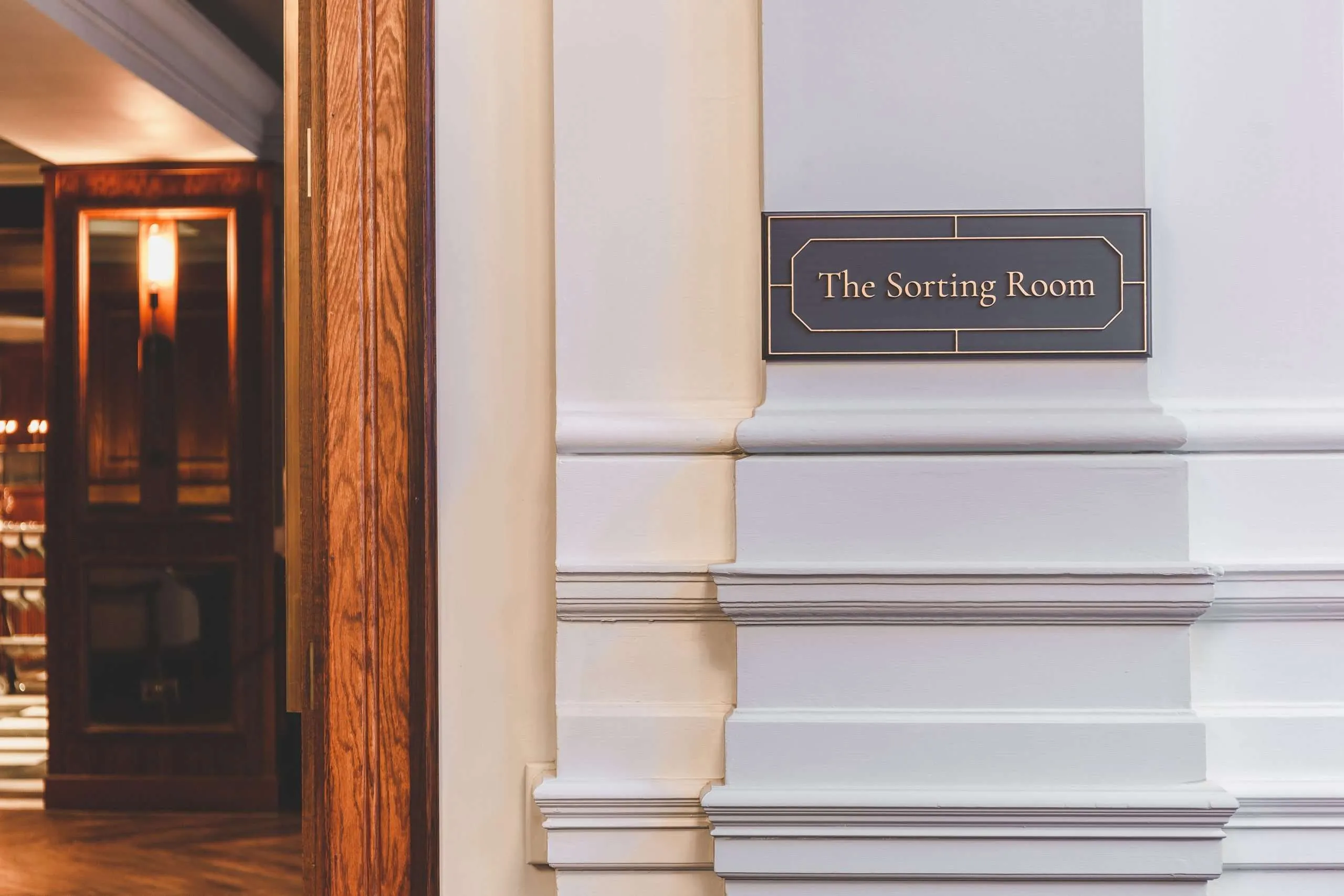
When we arrived at our hotel, it was time for dinner. We left our bags in our rooms and headed to the hotel restaurant, The Sorting Room.
I laughed. “Harry Potter!”
Lachlan shook his head. “You’re thinking of the sorting hat.”
Of course, he was right. The restaurant was in Cardiff’s old post office sorting room for letters and parcels. But his correction only sharpened the image in my mind: the sorting hat, children assigned by forces beyond their control. Birth is its own kind of sorting. None of us chooses the family we are born into or the burdens we inherit. I thought about how differently that sorting can mark a life.
Hanging in our home is a photograph of John as a small boy, dressed as King George VI for a school celebration of the 1937 coronation. His mother had sewn the elaborate costume entirely by hand. She was a strong Afrikaner woman who left her alcoholic husband at a time when women rarely divorced. She took her young son from a farm to the city and raised him with care. That devotion helped shape the man he became. It’s painful for me to think about how many children grow up without that kind of love and protection.
I thought about my own childhood and the violence that could erupt without warning. About alcoholism and how it affected the lives of many of my friends. And about the students Rhys had described, trying to build lives while carrying burdens unimaginable to most of us.
Struggles differ from child to child, but the need is the same: someone to help them build a future better than the one they inherited.